

 +7 (495) 228 03 00
 UK
UK| Official Name: | The United Kingdom of Great Britain and Northern Ireland | Population: | 57, 7 million people |
| Capital: | London | State language: | English |
| Form of Government: | Constitutional Monarchy headed by Queen | Administrative division: | The UK consists of four countries: England, Wales, Scotland and Northern Ireland |
| International phone code: | 44 | Time difference with Moscow: | -3 hours |
| Monetary unit: | Pound (GBP) | Rate: | 1 GBP = 109.74 RUR |
EDUCATIONAL INSTITUTIONS
- Year-Round Language Courses
- Anglo-Continental School of English
- BLS English
- Centre of English Studies
- EC English Language Centres
- English in Chester
- English in Margate
- English Language Centre Bristol
- Frances King School of English
- Istituto Marangoni
- Kings English Brighton
- Kingsway English Centre
- LAL London
- Regent Language Training
- Severnvale Academy
- St.Giles International, Central London
- Torquay International School
- Wimbledon School of English
- Summer and Vacation Programs
- Academic Summer
- Anglo-Continental School of English
- BEDE’S Summer School
- BLS English
- BPP University
- Bucksmore Education
- Buckswood School
- Cambridge School of Visual & Performing Arts
- Cardiff Sixth Form College
- CATS Colleges
- Centre of English Studies
- English in Chester
- Glion Institute of Higher Education
- Harrow School
- International Community School (ICS)
- Istituto Marangoni
- Mill Hill School
- Millfield English Language Holiday Courses
- Moira House School
- NIKE Football, Tennis & English Camps (Euro Sports Camps)
- Roedean School
- Severnvale Academy
- Sherborne International College
- Southbank University
- St.Giles International
- TASIS The American School in England
- University of Cambridge
- University of Gloucestershire
- Secondary Education and Pre-University Preparation
- Abbey DLD Group of Colleges
- Buckswood School
- Cambridge School of Visual & Performing Arts
- Cardiff Sixth Form College
- CATS College
- Chichester College
- Chigwell School
- Clifton College
- Concord College
- Dulwich College
- D’overbroeck’s College
- Earscliffe
- Kensington Park School
- Moira House
- MPW Schools and Colleges
- Oxford International College
- Queen Ethelburga’s College
- Sidcot School
- South Cheshire College
- St John’s International School, Sidmouth
- St. Andrew's Prep
- TASIS England
- Taunton School
- University of East Anglia
- Undergraduate Courses
- Birkbeck, University of London
- British and Irish Modern Music Institute
- Cambridge School of Visual & Performing Arts
- City University London
- Coventry University London
- Durham University
- Glasgow Caledonian University
- Glion Institute of Higher Education
- HULT International Business School
- INTO London World Education Centre
- INTO Manchester
- Istituto Marangoni
- Keele University
- Kingston University London
- Lancaster University
- Liverpool John Moores University
- Manchester Metropolitan University
- MetFilm School
- Newcastle University
- Newcastle University London
- Norwich University of the Arts
- Queen’s University Belfast
- Regent’s University London
- Royal Holloway University of London
- The Institute of Contemporary Music Performance
- The University of Sheffield
- University of East Anglia
- University of East London
- University of Exeter
- University of Gloucestershire
- University of Huddersfield
- University of Leeds
- University of Leicester
- University of Lincoln
- University of Manchester
- University of Portsmouth
- University of Stirling
- University of Strathclyde Glasgow
- University of Surrey
- University of Sussex
- Postgraduate Courses and MBA
- Birkbeck, University of London
- BPP University
- British and Irish Modern Music Institute
- Cambridge School of Visual & Performing Arts
- City University London
- Coventry University London
- Durham University
- Glasgow Caledonian University
- Glasgow Caledonian University London
- Glion Institute of Higher Education
- HULT International Business School
- INTO London World Education Centre
- INTO Manchester
- Istituto Marangoni
- Keele University
- Kingston University London
- Lancaster University
- Liverpool John Moores University
- Manchester Metropolitan University
- MetFilm School
- Newcastle University
- Newcastle University London
- Norwich University of the Arts
- Queen’s University Belfast
- Regent’s University London
- The Institute of Contemporary Music Performance
- The University of Sheffield
- University of East Anglia
- University of East London
- University of Exeter
- University of Gloucestershire
- University of Huddersfield
- University of Stirling
- University of Strathclyde Glasgow
- University of Surrey
- University of Sussex
- Professional Training and Internships
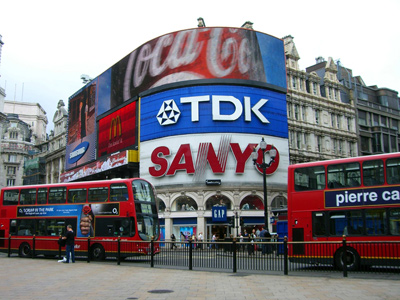
INFORMATION ABOUT THE UNITED KINGDOM AND ITS EDUCATION SYSTEM
Basic Information about the United Kingdom.
The United Kingdom of Great Britain and Northern Ireland is located off the north-western coast of Europe between the Atlantic Ocean and the North Sea. It is separated from the continent by the Strait of Dover and the English Channel, and from Ireland, or the Republic of Ireland, by the Irish Sea and St. Georges Channel. The United Kingdom consists of: England, Wales and Scotland, which form Great Britain, as well as Northern Ireland and several island groups. The United Kingdom has a population of approximately 60 million people. The official language is English, although Welsh and Gaelic are spoken by minorities in Wales and the Scottish High lands, respectively. The capital of the country is London. The United Kingdom is a constitutional monarchy. The head of state is Her Majesty Queen Elizabeth II. There is no written constitution in the British system, but the Constitution refers to the Crown, succession to the Crown, the UK Parliament, and the Union of Scotland, Wales, England and Northern Ireland.
The UK higher education system.
Higher education in the United Kingdom is mainly provided by universities, colleges and higher educational institutions, and art and music colleges. The binary line separating universities and polytechnics was abolished and polytechnics have been given university status and have acquired university titles. Most universities are divided into faculties, which may be sub-divided into departments. Students have to pay tuition fees, which can differ depending on whether the student is a resident of the European Union or from a non-European country.
UK University level first stage: Undergraduate stage
This stage lasts for three or four years and leads to a Bachelors degree in the arts, science or other fields (technology, law, engineering, etc.). In some universities and colleges of higher education, a two-year course leads to a Diploma in Higher Education (DipHE). This is a recognized qualification in its own right. In some universities, students must follow a foundation course before embarking on a course leading to a Bachelors degree. Students of foreign languages are usually required to study or work for an additional year in the country of the target language. Sandwich courses generally involve an additional year's work experience. Some institutions have introduced accelerated two-year degrees requiring students to study during the normal vacation period.
UK University level second stage: Masters degree
A Masters degree is conferred after one or two years' study following a Bachelors degree. Study is in a specialised field. In some cases, the degree is awarded after taking a written examination only, but candidates must usually submit a thesis. Some Masters degree courses (e.g. at Imperial College, London) first award Bachelors degrees after four or five years of study. In such cases, the Bachelor's programme is included in the course.
UK University level third stage: Master of Philosophy, Doctor of Philosophy or PhD
The third stage is one of pure research. At a university, after two years of additional study and the successful presentation of a thesis, this leads to a Master of Philosophy (MPhil) degree. Usually after three years' further study beyond a Masters degree, the candidate may present a thesis for a Doctorate of Philosophy (DPhil or PhD).
UK University level fourth stage: Post-doctorate research
The next stage leads to higher doctorates which may be awarded in law, humanities, science, medical sciences, music and theology after a candidate, usually a senior university teacher, has submitted a number of learned, usually published, works.